VFD Panel Supplier In Satara
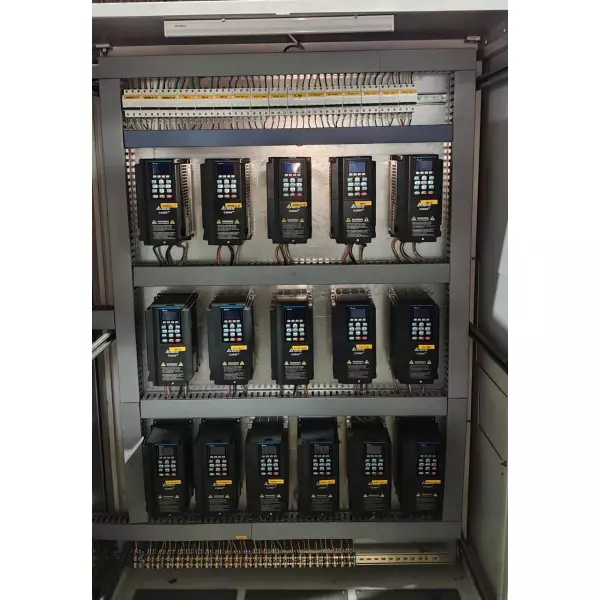
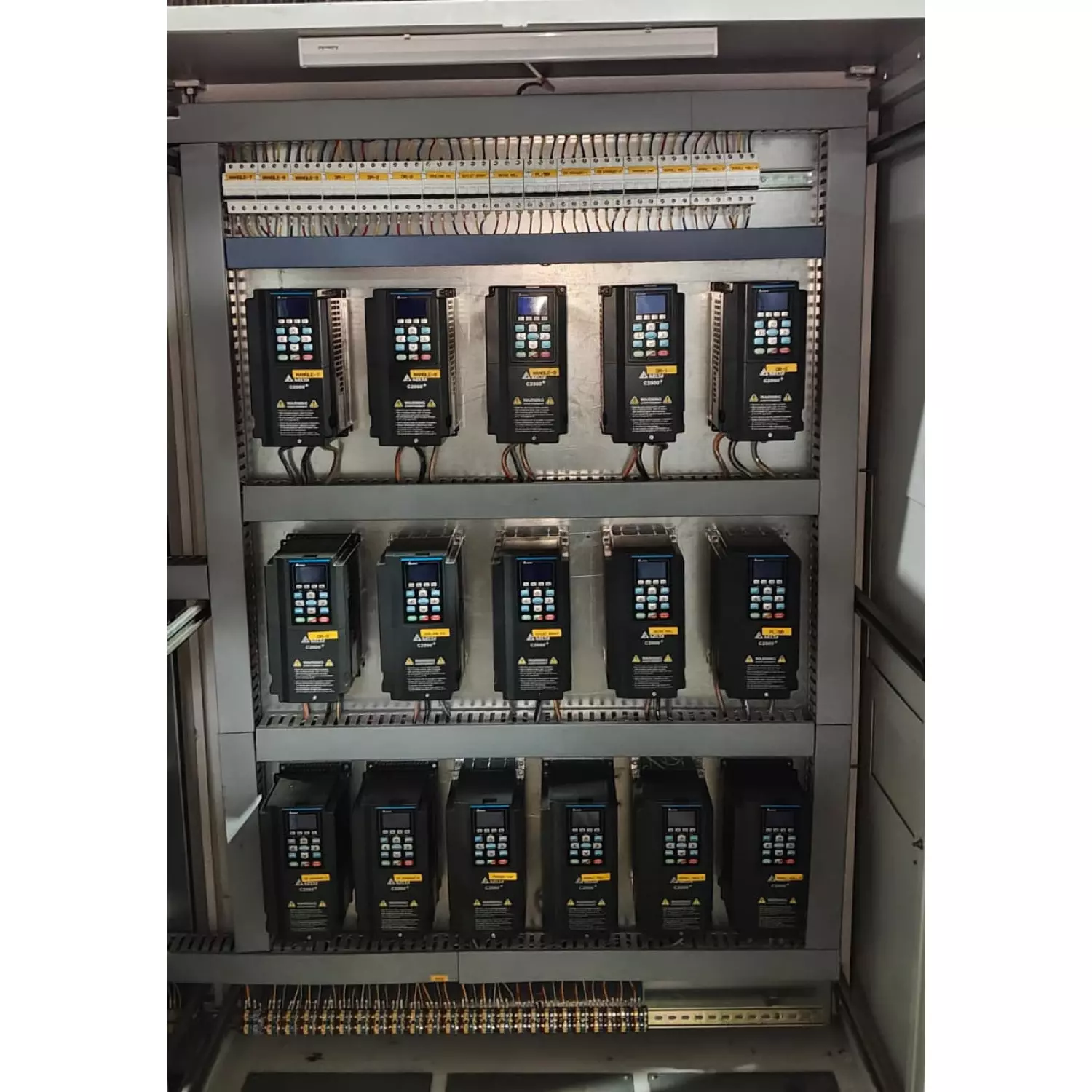
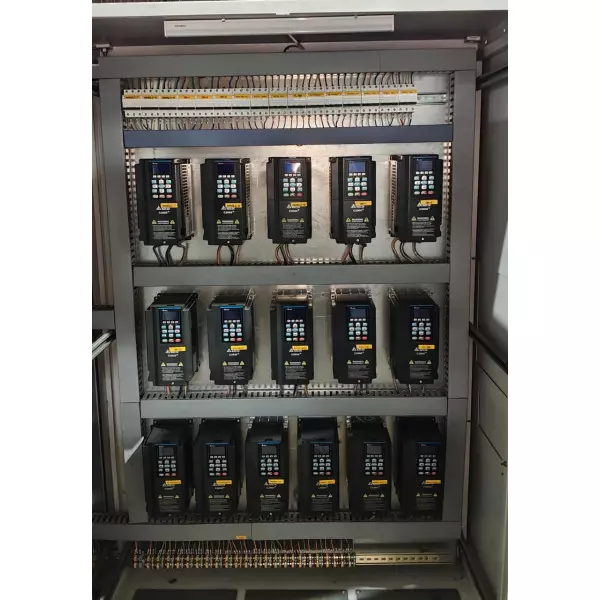
Details of VFD Control Panel
We focus on delivering value as your dependable VFD panel supplier in Satara, committed to helping your business expand steadily. When deciding between semi-automatic and fully automatic VFD panels, you face trade-offs. Semi-automatic systems often need more manual input but can be simpler to maintain and cheaper upfront. Fully automatic panels reduce human intervention, offering smoother control and better efficiency but come with higher complexity and cost.
The choice boils down to what fits your current setup and future plans. For example, if you run a small plant where operators can oversee processes closely, semi-automatic might work fine. But for large-scale or continuous operations needing precise speed control without much supervision, fully automatic VFD panels could prove more suitable.
Semi-automatic panels allow some hands-on adjustment; it's not fully hands-off operation but gives flexibility to tweak settings on the fly. Fully automatic setups rely heavily on programmed logic controllers managing motor speeds automatically based on real-time feedback signals.
Understanding Control Panel Types
- Semi-Automatic Panels
- Require occasional manual intervention during operation; simpler design and lower costs.
- Fully Automatic Panels
- Operate mostly unattended with programmed controls; suited for complex processes needing consistent performance.
Knowing these differences helps pick a panel that matches your workflow without overcomplicating things or adding unnecessary expense.
We coordinate closely with customers to gather details about motor ratings, power supply quality, environmental conditions like dust or humidity (Satara's climate sometimes adds challenges), plus machine operation cycles before designing a panel layout. Wiring is done neatly to keep maintenance straightforward later on. We check compatibility of drives and PLCs carefully since mismatches cause headaches down the line.
The internal wiring routes are planned so technicians find components easily when troubleshooting is needed—this saves time in emergencies or routine checks. Electrical safety measures align with applicable standards but we don’t add features just for show—they must serve actual operational needs.
Ordering a VFD panel isn’t just picking from stock; it involves dialogue about your equipment’s behavior under load, expected variations in speed demand, and control interface preferences (push buttons versus touch screens). Our role includes recommending drive models from trusted brands but always tailored around your exact system specs rather than off-the-shelf kits.
You can secure a product matching all these points through our contact channels. We support queries regarding installation schedules too because timing matters in production lines—you want minimal downtime while upgrading or starting new machines.
Offered Product